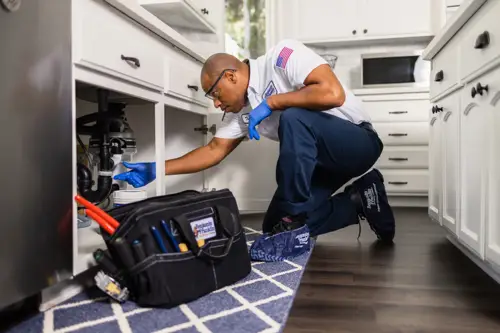
 Can I do hydro jetting myself?
Imagine using super-powered water streams to blast away all those nasty clogs in your pipes. That’s what hydro jetting does! Whether it’s built-up grease, soap scum, or even stubborn tree roots, hydro jetting can handle it all. Let me break it down for you.
Benefits of Hydro Jetting
Clog Removal
You know how frustrating it is when your drains get clogged with that gross mixture of hair, soap, and who-knows-what? Well, hydro jetting takes care of that like a champ. It’s not just about clearing stubborn clogs; it scours your pipes and sewer lines to keep them clean.
Pipe Compatibility
The cool thing about hydro jetting is that it works with most types of pipes. Got PVC? No problem. Copper? Works great. Cast iron? Yep, that too! But here’s the thing: think twice if you’ve got older clay pipes or pipes with weak joints. Older pipes can be too delicate for hydro jetting.
Professional Expertise
Now, I know what you’re thinking: “This sounds simple enough, I could probably do it myself!” Well, hold that thought. While it might seem straightforward, a lot of expertise is needed to do it right. It’s like surgery for your plumbing system; you want someone who knows what they’re doing.
Hydro Jetting Process
Inspection
Before anyone starts blasting water through your pipes, a proper plumber will first take a good look inside using a special camera. Think of it as getting an X-ray before surgery: you want to know exactly what you’re dealing with.
Hydro Jetting Steps
Once they’ve figured out what’s going on in there, here’s what happens:
- They hook up this powerful machine to a water source
- Choose just the right nozzle for your specific problem (yep, there are different types!)
- Start sending that high-pressure water through your pipes
- Keep at it until the water runs clear (satisfying, actually)
- Finish up with a hot water flush to make sure everything’s squeaky clean
Hydro Jetting Equipment and Accessories
Essential Tools
Hydro jetting requires specific tools, including:
- A camera that lets you see inside the pipes (like a tiny submarine with a flashlight)
- The hydro jetting machine itself (think of it as a pressure washer on steroids)
- A heavy-duty hose that can handle all that pressure
- A reliable water source
- Access points to actually get into the plumbing system
Nozzle Types
Different nozzle types are used to address various needs:
- Some spin around to clean every inch of the pipe
- Others stay fixed to blast away specific clogs
- Some are adjustable for precision work
- You’ve got your basic fixed-stream nozzles for general cleaning
- And fancy variable ones that can change pressure on the fly
Safety Considerations
Potential Hazards
Here’s the serious part: hydro jetting isn’t just a game of spraying water around. That high-pressure water jet can be very dangerous if you don’t know what you’re doing. It’s strong enough to cause severe injuries, and nobody wants to deal with contaminated water splashing around. Plus, these machines can be pretty loud; your ears won’t thank you if you skip the protection.
Precautions
If you choose to DIY, there are some precautions you can take to minimize risk as much as possible.
To reduce risks:
- Follow manufacturer guidelines when operating the equipment.
- Always wear protective gear.
- Keep the work area well-ventilated and free from obstacles to minimize accidents.
PSI Requirements for Root Cutting
Well, you’re looking at least 3,000 PSI, but sometimes you need to crank it up to 8,000 or even 10,000 PSI for those really stubborn roots. That’s some serious power we’re talking about!
Is DIY hydro jetting a good idea?
Not really, no. Hydro jetting is different from tackling drain cleaning with a drain snake. You need specialized equipment and know-how to avoid serious injuries or turning your plumbing situation from bad to worse. Professional plumbers have invested in all the right tools and training to do this safely and effectively.
So here’s the bottom line: Hydro jetting is an amazing way to get your pipes back in tip-top shape. But just because you can buy a hydro jetter doesn’t mean you should tackle this yourself. Think of it this way: sometimes, it’s worth paying a professional to do something right the first time rather than spending even more to fix a DIY gone wrong.
Need help with hydro jetting in the Daytona, FL area? Call the punctual plumbers at Benjamin Franklin Plumbing. We have the right equipment and expertise to get your pipes flowing freely!